
Shopping FAQ & Product Guide
Questions about materials, sizing or care? Our Shopping FAQ explains the leathers, metals, jewelry finishes, textiles and accessories available at L’Atelier Global, along with practical guidance for choosing and caring for your purchase.
👜 Leather Guide
What is vegetable-tanned leather?
Vegetable-tanned leather is produced using tannins derived from natural plant materials such as tree bark and leaves. The traditional tanning process creates leather with depth, character, and the ability to develop a distinctive patina over time. Variations in color and grain are part of the natural beauty of the leather.
What is full-grain leather?
Full-grain leather retains the natural outer surface of the hide rather than having the grain heavily corrected or removed. It is valued for its durability, natural texture, and ability to develop character with use. Natural markings and variations may remain visible.
What is Saffiano leather?
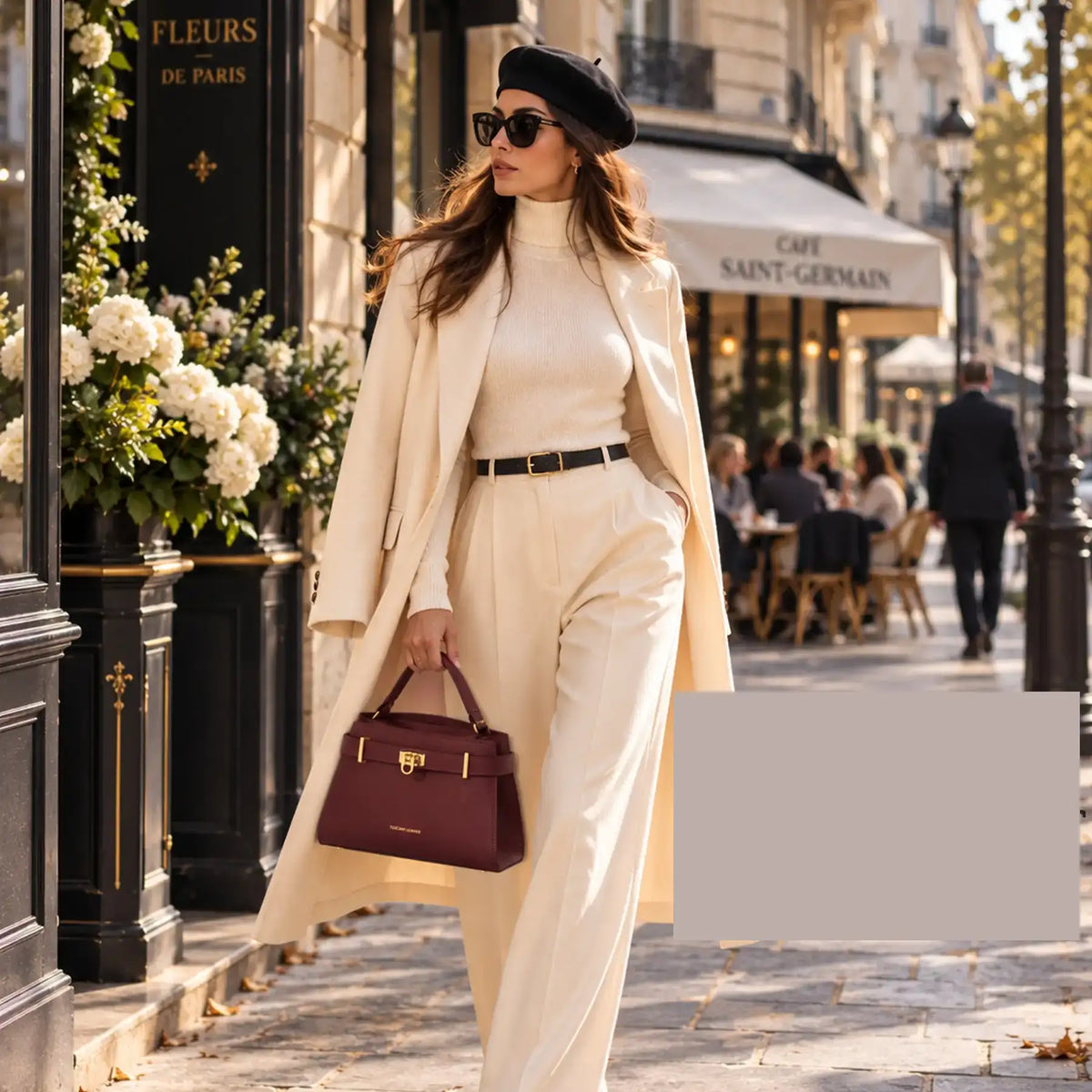
Saffiano leather is recognized by its fine crosshatch texture. The textured surface creates a structured appearance and helps make the leather resistant to minor scratches and everyday wear. It is commonly used for handbags, wallets, and other structured leather goods.
What is Palmellato leather?
Palmellato leather has a finely textured, embossed grain that gives the surface definition while helping disguise minor scratches and signs of everyday use. It is frequently used for handbags and small leather goods where structure and durability are important.
What is pebbled leather?
Pebbled leather has a raised, textured grain that may occur naturally or be enhanced during finishing. Its textured surface makes it a practical choice for frequently used handbags and accessories because minor scratches and wear are often less noticeable.
What is matte leather?
Matte leather has a low-sheen finish rather than a glossy surface. The result is a softer, understated appearance. Care requirements vary by leather type, so always follow the care instructions provided for the individual product.
What is embossed leather?
Embossed leather has a pattern or texture pressed into its surface. Embossing can create geometric textures, pronounced grain patterns, or finishes that reference exotic skins while using genuine leather.
What is suede?
Suede has a soft, velvety surface created from the underside of the hide. Because its nap can absorb moisture and oils more readily than smooth leather, suede requires different care and should be protected from water, stains, and excessive handling.
Why does genuine leather vary from one product to another?
Leather is a natural material, so variations in grain, texture, pores, color, and small markings are normal. These differences are not necessarily defects. They reflect the individual hide and help make each leather product unique.
What is a leather patina?
Patina is the gradual change in the surface and color of leather caused by handling, light, use, and age. Vegetable-tanned and other natural leathers can develop especially noticeable patina over time.
Which leather is best for everyday use?
The best choice depends on how you plan to use the product. Saffiano, Palmellato, and pebbled leathers are popular for everyday use because their textured surfaces can make minor scratches less noticeable. Full-grain and vegetable-tanned leathers are excellent choices when you enjoy natural variation and the development of patina over time.
🇮🇹 Italian Leather Bags
What makes Italian leather different?
Italy has a long tradition of leather tanning and leather-goods production. Many Italian manufacturers combine experienced craftsmanship with carefully selected hides, specialized tanning methods, and detailed construction. The specific leather and production method will vary by brand and product.
Why does my leather handbag have natural markings?
Natural markings, slight color variations, grain differences, and small irregularities may appear on genuine leather. These characteristics are especially common in minimally corrected and vegetable-tanned leathers and are part of the natural material rather than evidence that every piece will look identical.
Will my leather handbag soften over time?
Many genuine leathers become more supple with regular use. The amount of softening depends on the leather, construction, finish, and how the bag is used and stored.
Can leather scratch?
Yes. Genuine leather can develop scratches and surface marks with use. Smooth and natural-finish leathers may show them more readily than heavily textured leathers. Minor marks on some natural leathers may soften or blend into the developing patina over time.
Can my leather handbag get wet?
Avoid prolonged exposure to rain or moisture whenever possible. If your bag becomes wet, gently blot excess moisture with a clean, soft cloth and allow the leather to air dry naturally. Do not use a hair dryer, radiator, or other direct heat source.
How should I clean my leather handbag?
For routine care, gently wipe the surface with a clean, soft cloth. Do not use household cleaners, alcohol, harsh chemicals, or cleaning wipes on leather. For stains or extensive cleaning, we recommend consulting a professional leather-care specialist.
Should I use leather conditioner?
Not every leather requires the same products. Conditioners can alter the color or finish of certain leathers, particularly suede, matte, coated, or specialty finishes. Always check the care instructions for your specific product and test any leather-care product in an inconspicuous area first.
How should I store my leather handbag?
Empty the bag before long-term storage and keep it in its dust bag when available. Lightly support the interior to help preserve its shape, and store it in a dry location away from prolonged direct sunlight, heat, and humidity. Avoid tightly overstuffing the bag.
Why do some leather handbags ship directly from Italy?
Some of our Italian leather collections are fulfilled directly by our partners in Italy. Direct fulfillment gives our customers access to a broader range of styles, colors, and products than we could stock in our U.S. warehouse alone.
👔 Men’s Belts
How do I choose the correct men’s belt size?
As a general guide, order a belt one size larger than your usual pant waist size. For example, if you normally wear a size 34 pant, a size 36 belt is generally the appropriate starting point. Always review the individual product measurements when available, as sizing can vary by manufacturer.
Why should I order a belt size larger than my pant size?
Belt sizing measures differently from pant sizing. Choosing the next size up generally allows the belt to fasten comfortably near the center hole, providing room for adjustment in either direction.
How do I measure for a belt?
For the most accurate measurement, measure a belt that already fits you well from the point where the buckle meets the leather to the hole you use most often. Compare that measurement with the sizing information provided for the belt you are considering.
Will a leather belt stretch?
Genuine leather may soften and conform slightly with regular wear, but a belt should not be purchased with the expectation that significant stretching will correct an incorrect size.
How should I care for a leather belt?
Wipe the belt with a soft, dry cloth and keep it away from excessive moisture, direct heat, and harsh cleaning products. When not in use, store the belt loosely rolled or hanging rather than sharply folded.
👛 Wallets & Leather Accessories
What is the difference between a bifold and trifold wallet?
A bifold wallet folds once and generally has a slimmer profile. A trifold wallet folds into three sections and can provide additional organization for cards, cash, and other essentials, although it may be thicker when filled.
How do I keep a leather wallet in good condition?
Avoid overfilling the wallet, which can stretch card slots and alter its shape. Keep it away from excessive moisture and heat, and wipe the leather gently with a soft cloth when necessary.
What is a leather valet tray?
A valet tray provides a designated place for everyday items such as keys, a wallet, jewelry, glasses, or a watch. Leather valet trays are useful on a dresser, nightstand, desk, or entry table and help keep frequently used items organized.
✨ Jewelry Guide & Care
What is gold-plated jewelry?
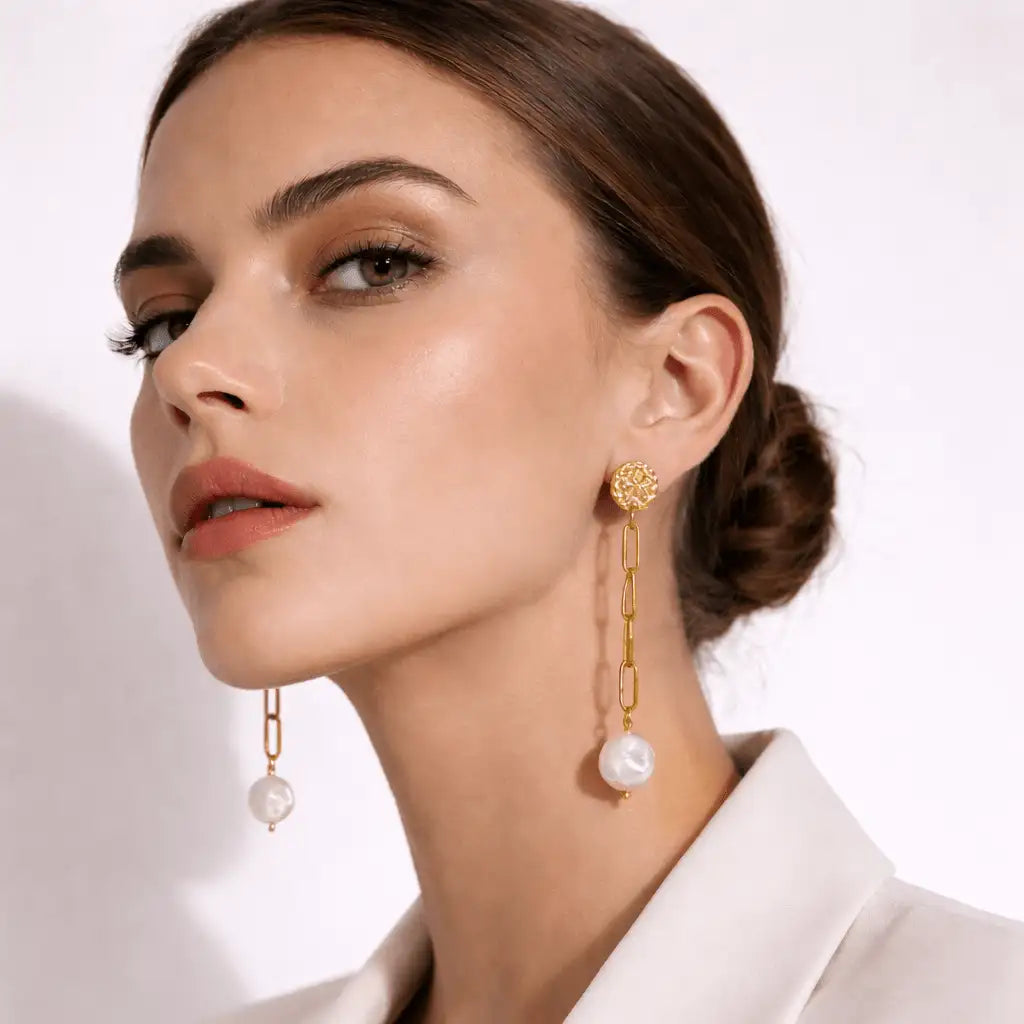
Gold-plated jewelry is made by applying a layer of gold over another metal, known as the base metal. The appearance, durability, weight, and care requirements of the finished piece can vary depending on both the thickness of the gold plating and the metal underneath it.
What does the base metal mean in plated jewelry?
The base metal is the material underneath the plated surface. Common base metals include sterling silver, brass, and stainless steel. Each has different characteristics, including weight, durability, resistance to corrosion, workability, and how it behaves if the outer plating gradually wears with use.
What is a sterling silver base?
A sterling silver base means the jewelry is made primarily from sterling silver and then finished with another metal, such as gold or rhodium. Sterling silver contains at least 92.5% silver and is valued for its quality, workability, and long history in jewelry.
Gold-plated sterling silver offers the appearance of gold with sterling silver underneath. If the outer plating wears over time, the exposed metal remains sterling silver rather than a non-precious base metal.
What is a brass base?
Brass is an alloy primarily made from copper and zinc. It is widely used in artisan and designer jewelry because it is strong, lightweight, and highly workable.
Many high-end jewelry designers, particularly in Europe, Canada and the USA, choose brass because it allows them to create bold, intricate, sculptural designs that can be difficult to achieve with other metals. Its combination of strength and lighter weight makes it especially well suited to larger statement necklaces, earrings, bracelets, chains, and dimensional designs that remain comfortable to wear.
Brass also provides an excellent foundation for quality gold plating. When properly prepared and plated, it can produce a rich, polished finish while giving designers the freedom to create complex forms, textures, and fine details.
If the plating gradually wears with use, the brass underneath may naturally darken or develop a patina. Proper care and storage can help preserve the plated finish.
What is a stainless steel base?
Stainless steel is a strong, corrosion-resistant metal commonly used as a base for jewelry and plated jewelry. It is valued for its durability, resistance to tarnishing, and ability to maintain its shape.
Plated stainless steel can be a practical option for frequently worn jewelry because the underlying metal is highly resistant to corrosion. The plating itself can still wear over time, particularly with exposure to water, chemicals, friction, and frequent use.
Is one jewelry base metal better than another?
Not necessarily. Each metal offers different advantages. Sterling silver provides a precious-metal foundation, brass offers exceptional workability and a lightweight base for intricate and sculptural designs, and stainless steel offers strength and resistance to corrosion. The best material depends on the design, construction, intended finish, and how the jewelry is meant to be worn.
Does plating thickness matter?
Yes. The thickness of the plating is one of the most important factors in the quality, durability, and longevity of plated jewelry. A thicker layer of gold generally provides greater resistance to wear than a very thin decorative coating.
Two pieces may both be described as “gold-plated,” yet differ substantially in quality and performance. The thickness of the plating, preparation of the base metal, plating method, finishing process, and overall craftsmanship all contribute to how the jewelry looks and wears over time.
Does the base metal affect how long plating lasts?
The base metal contributes to the construction and performance of a plated piece, but the thickness and quality of the plating are especially important. Plating longevity is also affected by frequency of wear, friction, skin chemistry, moisture, and exposure to perfume, lotions, chlorine, salt water, and household chemicals.
What is gold vermeil?
Gold vermeil is sterling silver coated with a layer of gold that meets specific thickness and purity standards. Because the underlying metal is sterling silver, vermeil is a specific form of gold-plated jewelry with a precious-metal base.
What is gold-filled jewelry?
Gold-filled jewelry is made by mechanically bonding a substantial layer of gold to a base metal, commonly brass. It contains significantly more gold than standard gold plating and generally offers greater resistance to wear when properly cared for.
Why are some gold-plated jewelry pieces more expensive than others?
Gold-plated jewelry can vary significantly in quality and price because the gold surface is only one part of the construction. Differences can include the base metal, thickness and quality of the plating, gemstones, casting and construction methods, hand-finishing, design complexity, country of origin, production scale, and the craftsmanship of the designer or artisan.
A substantial designer piece made from brass with intricate construction and high-quality gold plating can represent a completely different level of design and craftsmanship from a simply constructed piece with very thin plating. Gold-plated sterling silver offers another type of construction, with precious sterling silver beneath the gold surface. The complete materials, plating, construction, and craftsmanship determine the quality of the finished jewelry.
Why can plated jewelry change over time?
Plating is a surface finish and naturally experiences wear. Friction, moisture, skin chemistry, perfumes, lotions, cleaning products, chlorine, and salt water can gradually affect the plated surface. Proper care and storage can significantly extend the life of plated jewelry.
How should I care for my jewelry?
Put jewelry on after applying perfume, cosmetics, hairspray, and lotions whenever possible. Remove jewelry before showering, swimming, exercising, sleeping, or using household cleaning products. After wearing, gently wipe each piece with a clean, soft cloth before storing it.
How should I store my jewelry?
Store jewelry in a clean, dry location and keep individual pieces separated when possible to reduce scratching, tangling, and surface wear. Soft pouches, lined compartments, and jewelry boxes are good storage options.
How do I care for gold-plated jewelry?
Gold plating is a surface finish and can gradually wear with friction, moisture, chemicals, and repeated use. Keep gold-plated jewelry dry and away from perfume, lotions, hairspray, cleaning products, chlorine, and salt water. Clean it gently with a soft, dry cloth rather than abrasive polishing products.
Will gold-plated jewelry change over time?
Yes. The longevity of gold plating depends on the thickness of the plating, the underlying metal, frequency of wear, skin chemistry, storage, and exposure to moisture and chemicals. Normal wear of a plated finish is not the same as a manufacturing defect.
Why does sterling silver tarnish?
Sterling silver naturally reacts with compounds in the air, moisture, cosmetics, and skin, which can cause its surface to darken. Tarnish is a normal characteristic of sterling silver and can usually be removed with an appropriate silver polishing cloth.
How do I clean sterling silver jewelry?
Use a soft polishing cloth designed for sterling silver. Avoid abrasive cleaners and use additional care when the jewelry contains gemstones, pearls, plating, oxidation, or specialty finishes that could be altered by silver-cleaning products.
How do I care for brass jewelry?
Brass can naturally darken and develop patina over time. Keep it dry and store it away from humidity when possible. If the jewelry is plated, avoid abrasive metal polishes that could remove or damage the plated finish.
Does stainless steel jewelry tarnish?
Stainless steel is generally resistant to corrosion and discoloration, making it a practical material for jewelry. Even so, it should be kept clean and protected from prolonged exposure to harsh chemicals, chlorine, and salt water.
How should I care for gemstone jewelry?
Gemstones vary greatly in hardness, porosity, and sensitivity to chemicals. Avoid soaking gemstone jewelry unless the care instructions specifically allow it. Use a soft cloth for routine cleaning and protect stones from impact, perfume, lotions, and household chemicals.
Why do natural gemstones vary in color and appearance?
Natural gemstones can vary in color, pattern, transparency, inclusions, and surface characteristics. These natural differences mean that the piece you receive may not look exactly identical to another piece made from the same type of stone.
Why can handmade jewelry vary slightly from piece to piece?
Handcrafted jewelry is made and finished individually rather than produced as an identical molded product. Small variations in texture, shape, finish, stone placement, and other details are part of the handmade process.
🧣 Apparel & Textiles
🧥 Leather Jackets
How should a leather jacket fit?
A leather jacket should feel comfortably fitted through the shoulders and body without restricting movement. The sleeves should reach the wrist, and you should be able to comfortably move your arms and layer a light top underneath. Fit can vary by style, so always review the individual product measurements before ordering.
Will my leather jacket soften over time?
Yes. Many genuine leather jackets become more supple with regular wear and gradually conform to the shape of the wearer. The amount of softening depends on the type of leather, finish, construction, and frequency of use.
Can a leather jacket get wet?
Avoid prolonged exposure to rain or moisture whenever possible. If your jacket becomes wet, gently blot excess moisture with a clean, soft cloth and allow it to air dry naturally on a properly shaped hanger. Do not use a hair dryer, radiator, or other direct heat source.
How should I clean a leather jacket?
For routine care, gently wipe the surface with a soft, dry cloth. Avoid household cleaners, alcohol, cleaning wipes, and harsh chemicals. For stains, deep cleaning, or significant soiling, we recommend using a professional cleaner experienced with leather garments.
Should I condition a leather jacket?
Some leather jackets benefit from occasional conditioning, while others do not. Conditioners can change the color or finish of certain leathers, particularly suede, matte, coated, or specialty finishes. Always follow the care instructions provided with the jacket and test any leather-care product in an inconspicuous area first.
How should I store a leather jacket?
Store your jacket on a broad, supportive hanger in a cool, dry location with adequate airflow. Avoid thin wire hangers, plastic garment bags, prolonged direct sunlight, excessive heat, and damp storage areas. A breathable garment bag is preferable for extended storage.
Can wrinkles be removed from a leather jacket?
Light wrinkles may relax naturally when the jacket is hung properly. Do not place a hot iron directly on leather or apply high heat. For deeper creases, we recommend consulting a professional leather-care specialist rather than attempting to press or steam the garment yourself.
🧣 Cashmere, Wool & Natural Fibers
What makes cashmere different from ordinary wool?
Cashmere comes from the fine undercoat of cashmere goats and is prized for its exceptional softness, warmth, and light weight. Because the fibers are finer than traditional sheep's wool, cashmere feels luxuriously soft while providing excellent insulation without excessive bulk.
Is cashmere warm?
Yes. Cashmere provides remarkable warmth relative to its weight, making it ideal for sweaters, scarves, wraps, and layering pieces that feel light yet provide excellent insulation.
What is a cashmere blend?
Cashmere is often blended with wool, silk, cotton, or other natural fibers to create garments with different characteristics. Blending can improve durability, shape retention, breathability, drape, or overall performance while maintaining much of cashmere's luxurious softness.
Is 100% cashmere always better?
Not necessarily. A well-made cashmere blend can be an excellent choice depending on how the garment is intended to be worn. Some blends offer greater durability, improved resilience, lighter weight, or reduced pilling while still providing the softness associated with cashmere.
What is merino wool?
Merino wool comes from Merino sheep and is known for its exceptionally fine fibers, softness, breathability, and natural temperature regulation. Compared with traditional wool, Merino is generally softer against the skin while remaining highly insulating.
What is a wool blend?
Wool is frequently blended with fibers such as alpaca, cashmere, silk, cotton, or performance fibers to improve softness, durability, stretch, wrinkle resistance, or ease of care. The ideal blend depends on how the garment is intended to perform.
What is alpaca fiber?
Alpaca fiber is prized for its softness, warmth, durability, and lightweight feel. It naturally contains very little lanolin, making it a comfortable choice for many people who find traditional wool irritating.
How do I choose between cashmere, alpaca, and wool?
- Cashmere is exceptionally soft, lightweight, and warm.
- Alpaca offers outstanding warmth, durability, and a lightweight feel while naturally containing very little lanolin.
- Merino wool is breathable, moisture-wicking, temperature regulating, and excellent for year-round wear.
- Traditional wool provides durability and insulation, making it an excellent choice for outerwear and colder climates.
Can cashmere be worn year-round?
Yes. Lightweight cashmere is ideal for transitional weather, cool evenings, travel, and air-conditioned environments, while heavier cashmere is best suited for colder temperatures.
Why do cashmere and wool sweaters pill?
Pilling occurs when short fibers naturally rub together during wear. Some pilling is normal and does not necessarily indicate poor quality. Areas that experience friction—such as under the arms or where a handbag rests—are most likely to develop pills. A quality sweater comb or cashmere comb can safely remove surface pills.
How should I wash cashmere?
Always follow the care instructions on the garment. Many cashmere pieces can be gently hand washed in cool water using a detergent formulated for delicate fibers, while others should be professionally cleaned. Avoid hot water, twisting, wringing, and high heat.
How should I dry cashmere?
When hand washing is appropriate, gently press out excess water without wringing. Lay the garment flat on a clean towel, reshape it, and allow it to dry naturally away from direct heat or sunlight. Never hang wet cashmere, as the weight of the water can stretch the fibers.
How should I store cashmere and wool garments?
Clean garments before long-term storage and fold them rather than hanging them. Store them in a cool, dry location and protect them from moths and other fabric pests using appropriate storage methods.
How can I help cashmere last longer?
Avoid excessive washing, allow garments to rest between wears, and protect them from unnecessary friction. Proper care and storage help preserve the softness, shape, and appearance of fine natural fibers for years.
How do I care for alpaca products?
Always follow the care label provided with the individual product. Alpaca fibers generally benefit from gentle handling, limited washing, and storage away from moisture and direct heat. Fold knit pieces for storage rather than hanging them for extended periods, which can stretch the garment.
How do I care for wool products?
Follow the individual care label, as different wool products may require hand washing, professional cleaning, or another specific method. Avoid hot water and high heat unless specifically permitted by the manufacturer.
Is pilling normal on natural fibers?
Some pilling can occur when natural fibers rub against themselves or other surfaces during wear. The amount varies by fiber, yarn, construction, and use. Gentle removal with an appropriate fabric comb or sweater tool can help maintain the surface.
How should I store knitwear?
Clean knitwear before extended storage and fold it rather than hanging it whenever possible. Store in a clean, dry location and protect natural fibers from moths and other fabric pests.
🎀 Hair Accessories
What makes French hair accessories unique?
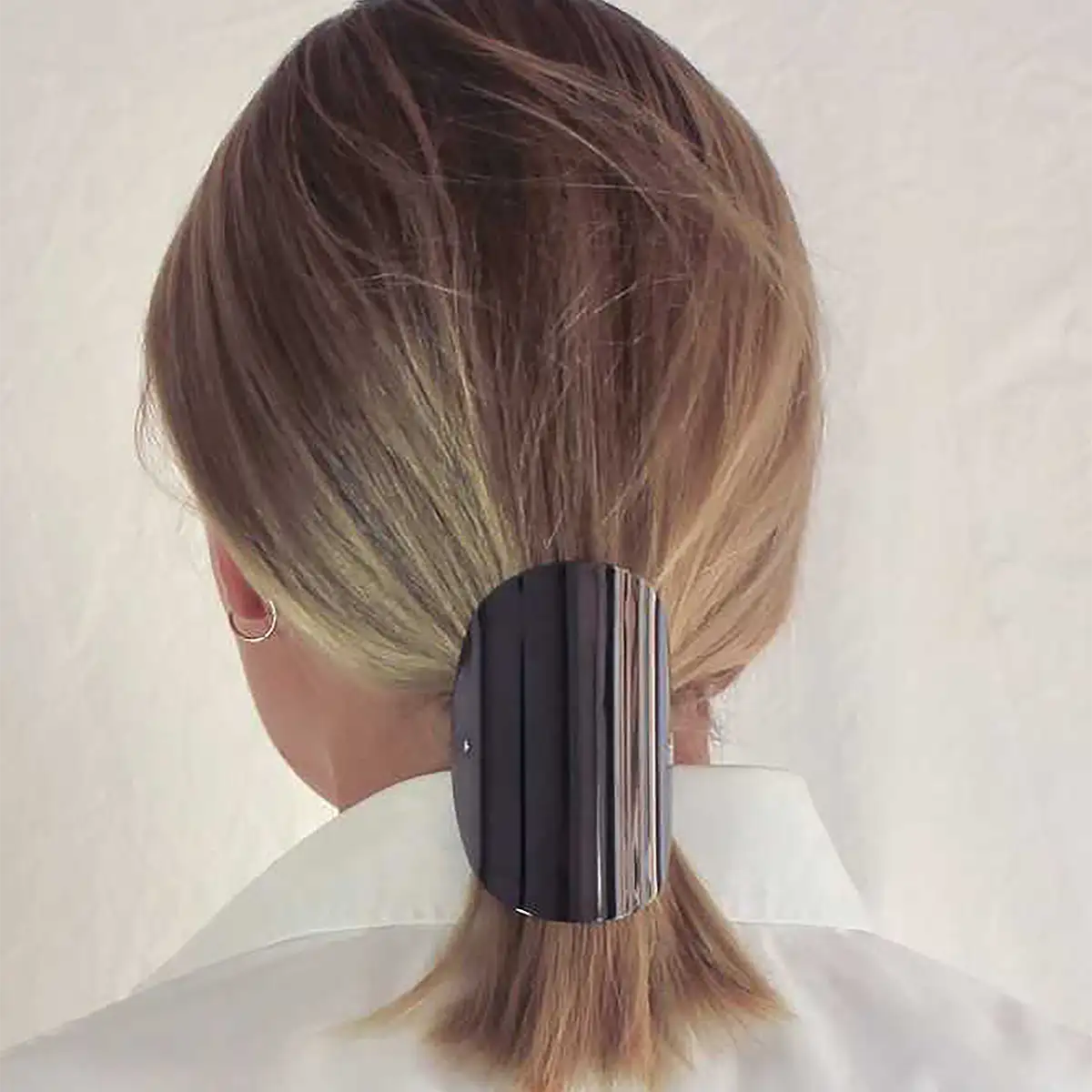
French hair accessories are known for quality materials, polished finishes, and careful construction. Many premium pieces are made from cellulose acetate rather than inexpensive molded plastic and are individually polished and assembled to create a smooth finish and comfortable hold.
What is cellulose acetate?
Cellulose acetate is a durable material derived from cellulose and valued for its depth of color, polished surface, and ability to be shaped and finished into high-quality accessories. It is widely used in premium eyewear and hair accessories.
How should I care for French hair accessories?
Handle hair accessories carefully and avoid dropping them onto hard surfaces. Keep them away from excessive heat, perfumes, hairsprays, and harsh chemicals. Wipe them gently with a soft cloth as needed and store them separately to reduce scratching.
How do I clean acetate hair accessories?
Use a soft, slightly damp cloth for routine cleaning and dry the accessory promptly. Avoid alcohol, acetone, household cleaners, and abrasive products, which can damage the finish.
Can premium hair accessories scratch?
Yes. Polished acetate and other finished materials can develop surface scratches through contact with hard objects or other accessories. Separate storage helps preserve the finish.
How do I choose a hair accessory for my hair type?
Consider the thickness, density, texture, and amount of hair you plan to secure. Larger clips and stronger mechanisms generally work better for thick or abundant hair, while smaller clips and lighter accessories may provide a more comfortable hold for fine or shorter hair. Review individual product dimensions and descriptions before selecting a style.
🕯️ Home & Lifestyle
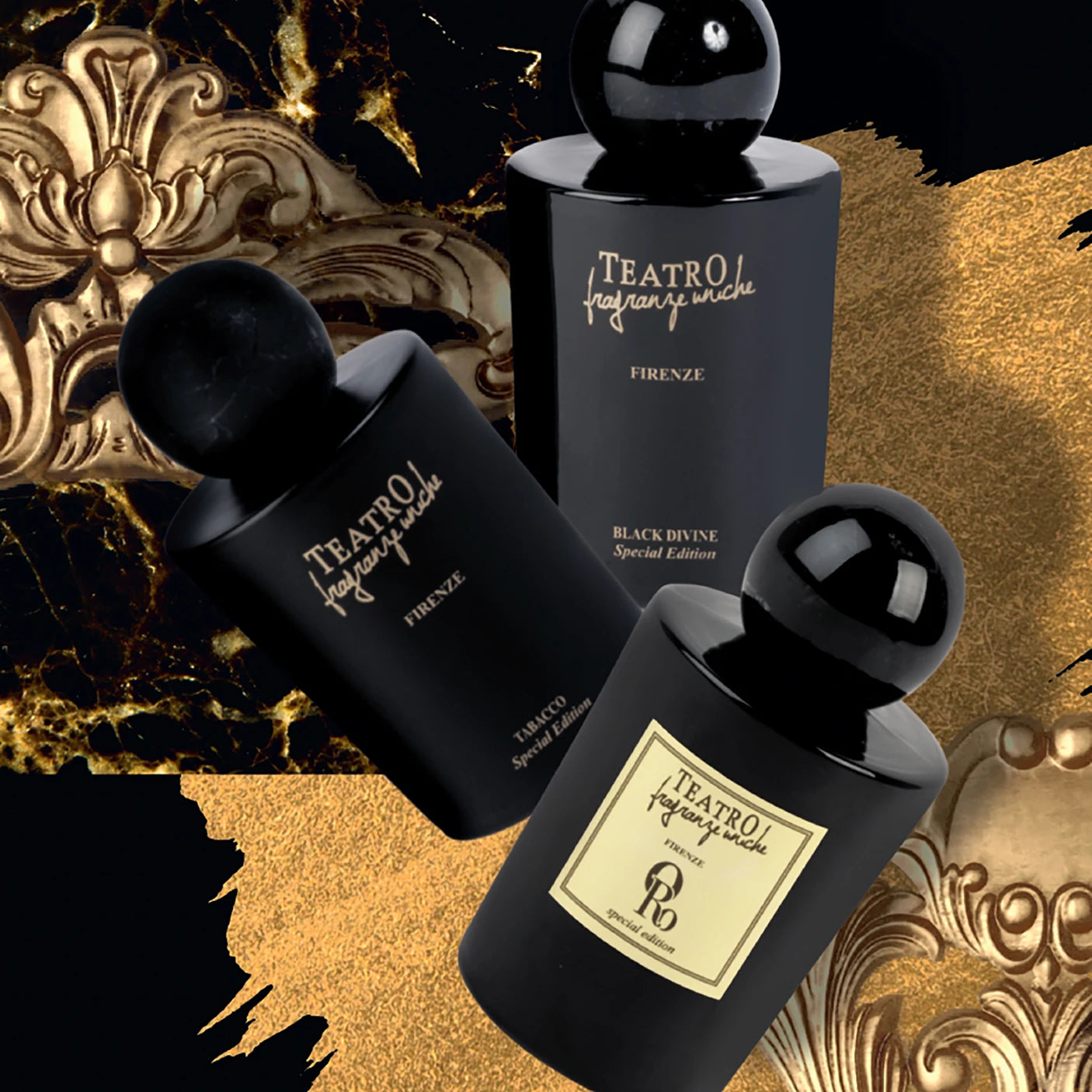
How should I care for candles?
Always follow the safety and burning instructions provided with the candle. Keep candles away from drafts, children, pets, and flammable materials, and never leave a burning candle unattended.
How should I store bath and body products?
Store bath and body products according to the manufacturer's instructions, generally in a cool, dry location away from direct sunlight and excessive heat. Keep containers closed when not in use and discontinue use if the product changes unexpectedly in appearance, scent, or consistency.
How should I store handmade soap?
Allow soap to dry between uses by keeping it on a draining soap dish rather than allowing it to sit in standing water. Unused bars should be stored in a cool, dry location.
🌎 Product Origins
Where are L’Atelier Global products made?
Our collections bring together products from artisans, designers, and brands around the world. The country of origin is identified on individual product pages whenever available.
Are some of your products made in the United States?
Yes. We carry select jewelry, accessories, and other products made in the United States. Look for the country-of-origin information provided on individual product pages.
Are some of your products handmade?
Yes. Many of the artisans and independent brands represented at L’Atelier Global use handcrafting, hand-finishing, or small-production techniques. Individual product descriptions provide additional information about construction and craftsmanship whenever available.
Why do products ship from different locations?
Some products are stocked in our U.S. warehouse, while others are fulfilled directly by our artisan, brand, or manufacturing partners. This allows us to offer a broader assortment while maintaining direct relationships with the sources of many of our products.
🛍️ Shopping Advice
How do I choose the right handbag?
Start with how you plan to use the bag. Consider the items you carry, preferred strap length, closure, interior organization, bag weight, and whether you need features such as a crossbody strap or laptop compartment. Product dimensions are provided to help you compare styles before purchasing.
How do I know whether a handbag will fit my laptop?
Compare your laptop's actual width, height, and depth with the interior dimensions and opening of the handbag. Laptop screen size alone is not enough because two computers with the same advertised screen size may have different exterior dimensions.
What is the difference between a tote, satchel, shoulder bag, and crossbody?
- Tote: Typically an open or zip-top bag with two handles and a larger interior.
- Satchel: Usually a more structured handbag with top handles and, in many cases, an optional shoulder strap.
- Shoulder Bag: Designed primarily to be carried from one shoulder.
- Crossbody: Features a longer strap designed to be worn across the body for hands-free carrying.
Which leather is best for travel?
Textured leathers such as Saffiano, Palmellato, and pebbled leather can be practical for travel because minor surface wear may be less noticeable. The best option also depends on weight, capacity, closure, strap design, and how much handling the item will receive.
🤍 About Our Products
How do you choose the brands and products you carry?
L’Atelier Global draws on more than 20 years of experience in global buying, artisan sourcing, and fashion merchandising. We select products for their materials, construction, craftsmanship, origin, design, and how they fit within the broader L’Atelier Global assortment.
Are the products sold by L’Atelier Global authentic?
Yes. We source our products through established brands, manufacturers, distributors, and artisan partners and sell authentic merchandise represented by those sources.
Do you work directly with artisans and brands?
Yes. Our assortment includes products sourced directly from artisan and brand partners.
What does Style Without Borders™ mean?
Style Without Borders™ reflects the idea behind L’Atelier Global: style is not defined by a single country, category, or point of view. Our collections bring together craftsmanship, materials, and design from different parts of the world in one evolving assortment.
What makes L’Atelier Global different?
L’Atelier Global combines decades of global buying and merchandising experience with direct product discovery. Our assortment spans Italian leather, artisan jewelry, accessories, textiles, hair accessories, and lifestyle products from makers and brands around the world. We focus on quality materials, construction, authentic origins, and products that bring something individual to the collection.
WELCOME TO L'ATELIER GLOBAL ✨
GLOBAL FASHION TRENDS ✨
TIMELESS MEETS TREND ✨
WHERE BEAUTY & DESIGN ARE AGELESS ✨